Mastering the Art of Packing: Essential Tips for a Stress-Free Moving Day
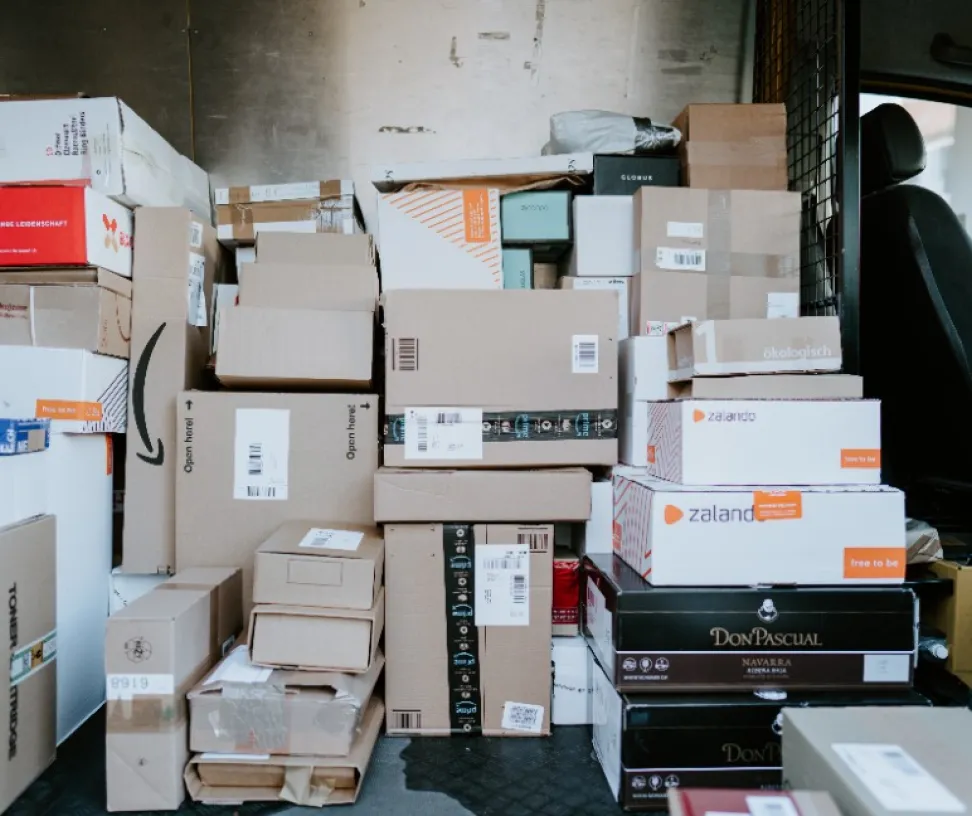
Packing up your life and moving to a new home can often feel like trying to fit a square peg into a round hole—frustrating and seemingly impossible. Whether you’re moving across town or across the country, the chaos of boxing up everything you own is universally daunting. But what if you could transform this stressful endeavor into a streamlined, even enjoyable process?
In this article, Mastering the Art of Packing, we’ll unravel the secrets to packing efficiently and reducing moving day stress. You’ll discover not only how to coalesce your belongings into neatly labeled boxes but also how to maintain your sanity while doing it.
We’ll cover:
- Smart Packing Strategies: Learn how to maximize space and protect your valuables.
- Essentials First Approach: Prioritize what you pack to make unpacking a breeze.
- Last-Minute Checklist: Don’t let essential tasks slip through the cracks in the rush to move.
Get ready to arm yourself with practical tools and tips that will make you an adept packer, ready to tackle even the mightiest of moves with a serene smile. So, bid farewell to moving mayhem and hello to a stress-free relocation!
Streamline Your Packing Process with a Custom Checklist
Creating a personalized packing checklist is a game-changer when you’re gearing up for moving day. This checklist will not only help you remember what you need to pack but also when and how you should pack these items to streamline the entire process.
Begin by categorizing your belongings by room and priority. Essential items like toiletries, a change of clothes, and important documents should be grouped under ‘Day One Essentials’ to ensure they are easily accessible when you arrive at your new home.
Below is a simple template that you can tailor according to your specific needs. Remember, the key here is customization—you want your checklist to reflect your personal belongings and packing preferences.
| Room | Items | Packing Notes |
|---|---|---|
| Kitchen | Pots, Pans, Utensils | Wrap breakables in bubble wrap; label boxes by cabinet |
| Bedroom | Clothes, Bedding | Use wardrobe boxes for clothes; vacuum seal off-season clothing |
| Living Room | Electronics, Books | Clearly label all cords; pack books in small boxes to manage weight |
Additionally, consider the logistics of your moving process. Are you moving locally or long distance? The distance could influence the specifics of your packing, especially for fragile items. Couple this checklist with timely reminders, setting alerts a week before you start packing major items and a day before for the essentials. This methodical approach not only minimizes the risk of forgetting important items but also significantly reduces the stress often associated with moving.
Choosing the Right Boxes for Different Belongings
When it comes to packing your belongings for a move, not all boxes are created equal. Understanding the nuances of box selection can mean the difference between items arriving in perfect condition or ending up damaged. Kitchenware, for example, requires sturdy, double-walled boxes to handle the weight and prevent any breakages. On the other hand, lighter items like linens and clothing can be packed in larger, single-walled boxes which allow for more volume without a significant increase in weight.
For your more unique or oddly shaped items, like lamps or artwork, specialty boxes come into play. These are designed specifically to accommodate shapes that don’t fit well into standard boxes and often include additional padding or support.
Here’s a quick guide to help you match your belongings with the ideal box type: – Books: Small, heavy-duty boxes – Electronics: Original manufacturer packaging or similarly sized double-walled boxes – Decorative items: Dish barrel boxes with ample packing paper or bubble wrap – Wardrobe pieces: Tall, wardrobe boxes with a hanging rod By selecting the right type of box for each category of item, you safeguard your belongings against in-transit mishaps and streamline the unpacking process.
Safeguard Your Fragile Items: Techniques and Materials
When preparing for a move, safeguarding your delicate items is paramount to avoid the heartbreak of unwrapping broken memories. The key to successful protection lies in the use of specialized packing materials and techniques tailored for fragile belongings. Begin by sourcing high-quality supplies; consider bubble wrap, packing peanuts, foam sheets, and sturdy boxes specifically designed for fragile items. Additionally, room in the box for cushioning is vital—never overpack.
Here are some essential techniques to apply:
- Wrap each fragile item individually: Use bubble wrap or foam sheets for this, securing the material with tape.
- Use a layering method within the boxes: Place the heaviest items at the bottom and lighter items on top, ensuring each layer is cushioned with either packing peanuts or crumpled newspaper.
- Label each box clearly: Use large, unmistakable markers to label boxes containing fragile items with words like “FRAGILE” or “HANDLE WITH CARE” to alert movers.
Employing these materials and methods will not only protect your valuables but also organize the packing process, making unpacking an orderly and stress-free experience.
Managing Moving Day Chaos
Moving day can often feel like orchestrating a complex ballet, where every dancer (or box) needs to be precisely in tune. Mastering the packaging sequence plays a pivotal role in harmonizing this chaos. Start by categorizing your belongings by room and by how frequently you use them.
Essentials like toiletries, a change of clothes, and basic kitchenware should be packed last in clearly labeled “open first” boxes. This strategy not only minimizes the disruption of your daily routine but also expedites the unpacking process at your new home.
Next, employ a detailed labeling system that transcends mere room designations. Include a brief list of contents on each box’s label and consider adding special instructions such as “fragile” or “this side up” to guide movers. For electronics, take photos or make quick sketches of the cable setups before disassembling them. This little step can save a lot of setup time later. Organize your boxes with these strategies:
- Label color coding: Assign a color to each room and use corresponding colored stickers or tape.
- Numbering system: Number each box and keep an inventory list to track everything you have.
- Special instructions: Use bright, noticeable labels for boxes that need careful handling.
Integrating these methods makes it much easier to manage the whirlwind of moving day, ensuring that your belongings are not only safeguarded but are also systematically organized for a smooth transition.
Conclusion
As we draw the curtain on our journey through mastering the art of packing, it’s evident that what often seems like a daunting task can transform into a manageable, even enjoyable project with the proper approach and tools at our disposal. The road to a stress-free moving day is paved with the bricks of organization, mindfulness, and efficiency, all of which we’ve explored together.
Here are your key takeaways from our exploration:
- Start Early: Give yourself the luxury of time. Early preparation avoids last-minute chaos.
- Declutter: Moving is a chance to redefine your living space. Keep what adds value to your life, and let go of what doesn’t.
- Essential Kit: Prepare an essentials box for easy access to your necessities during the first 24 hours in your new home.
- Labeling: Clearly label each box not just by room, but also by contents. This will save you endless searching and unpacking time.
- Protection: Adequately protect your belongings. Bubble wrap and packing paper are your friends.
Now, equipped with these strategies and a better understanding of the packing process, your next move should not only be smoother but also less stressful. Let the excitement of setting up a new home fuel your endeavors rather than the dread of packing boxes.
Remember, every box you pack is a step closer to your new beginning. Embrace the process, plan ahead, and maybe even take a moment to enjoy the packing journey—it’s all part of the grand adventure of moving. Safe travels on your relocation voyage!